Currency Trading
Risk Monitor
NAB's Business Operations group needed live visibility across their currency trading platform. Delayed insight in FX markets is no insight at all. We built a real-time monitoring framework that changed that.
- The challenge
- Approach
- What we built
- Tech stack
- Outcomes
Delayed insight in FX markets is no insight at all.
NAB's Business Operations group needed live visibility across their currency trading platform. The existing tooling was reactive — risk exposure and pricing data arrived with enough lag that by the time analysts had the information, the trading context had already shifted. In fast-moving FX markets, delayed insight is no insight at all.
The brief was clear: build a monitoring framework that ingests currency trading data at volume, models risk exposure in real time, and surfaces pricing analytics to the operations team — without compromise on latency, reliability, or the ability to scale.
Architecture first. Technology second.
Before writing a line of code, Troy mapped the full data lifecycle from the trading platform's event stream through to the analyst's dashboard. The system was designed as a set of independent, resilient components — each responsible for a specific stage of the pipeline. Failures could be isolated, updates rolled out independently, and the system could scale horizontally without architectural changes.
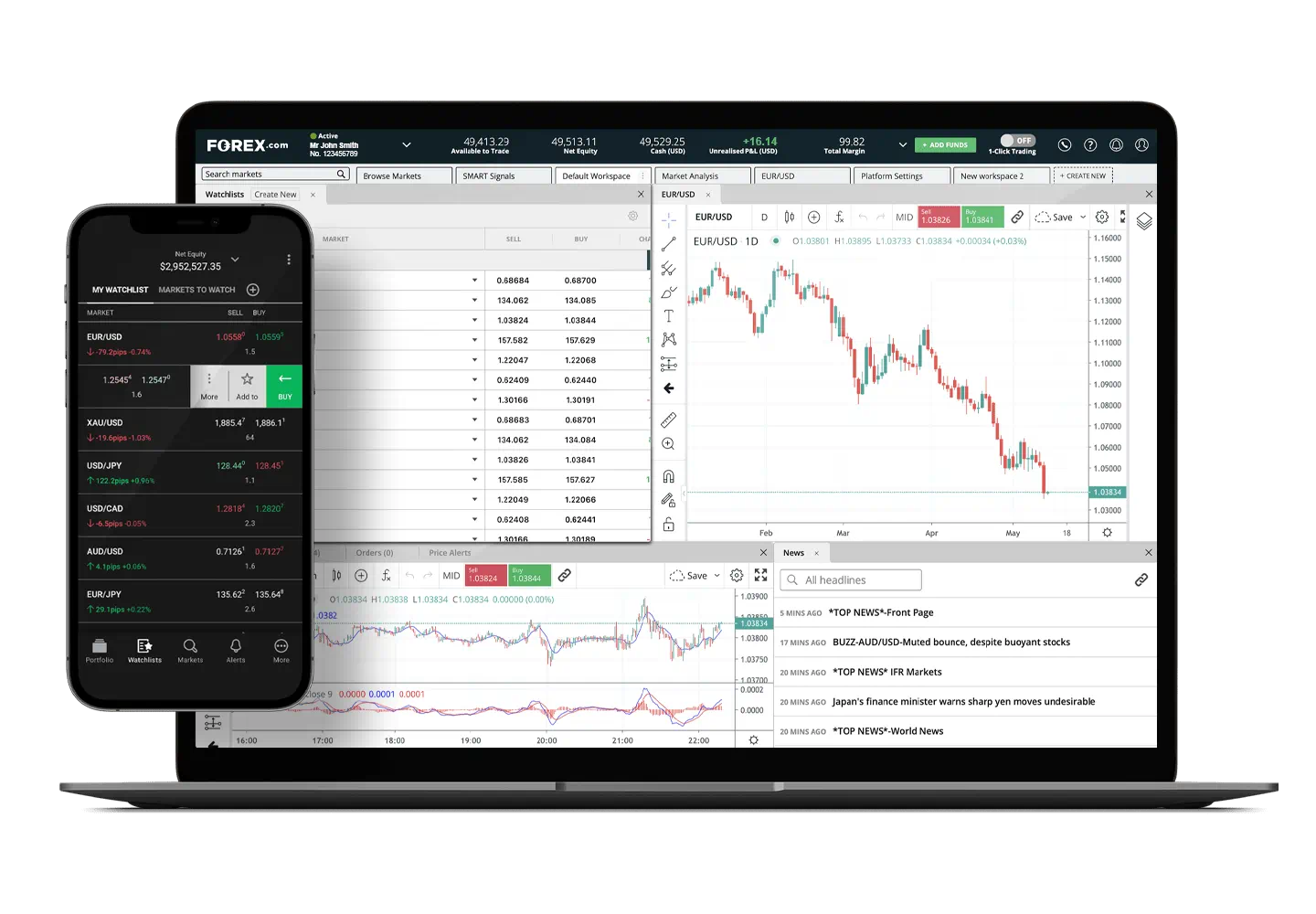
A monitoring framework built for the trading floor.
A real-time monitoring platform built on Big Data technologies — ingesting live trading data, running it through a continuous risk modelling engine, and surfacing pricing analytics through a clean operational dashboard. The full CI/CD pipeline was implemented from day one — not bolted on at the end. Automated testing, staged deployment, and rollback capability built into every component.
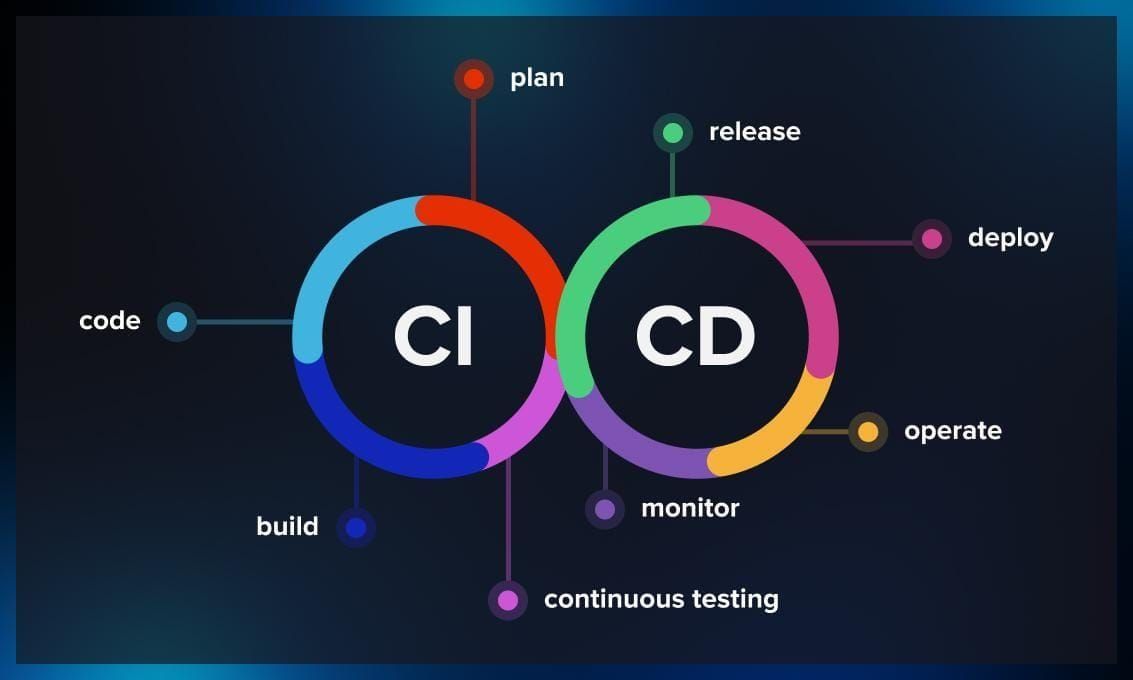
Big Data technologies with CI/CD tooling.
Real-time visibility where there was none.
The Business Operations group went from a reactive, delayed view of risk to a live operational picture of the trading platform. Analysts can now see pricing anomalies and risk signals as they happen.